Winches at sea: materials, coatings and corrosion offshore
In short
- At sea, salt, humidity and spray attack a winch constantly, so corrosion protection is not an extra, it is part of whether the winch survives.
- Protection is matched to the corrosivity of the environment, with standards such as ISO 12944 describing categories up to C5-M and CX for marine and offshore.
- The right materials, coatings and seals, with a little disciplined washdown and inspection, are what keep a marine winch working and safe for years.
A winch that lives indoors leads a sheltered life. A winch at sea does not. Salt laden air, constant humidity, driving spray and the occasional green water over the deck mean that corrosion is working on it every hour it is out there, whether or not it is lifting. On a marine or offshore winch, protecting the steel is not a finishing touch, it is part of whether the machine is still safe to use in a few years or a rusting liability. It is also one of the clearest places where equipment built for the sea differs from a winch simply painted and shipped.
The sea attacks everything
Corrosion is an electrochemical process, and salt water is an almost perfect accelerant for it. A film of salt holds moisture against the steel long after rain would have dried, and chloride attacks the protective layers that would otherwise slow the rust. Add the temperature swings, the ultraviolet light and the mechanical wear of a working deck, and an unprotected or poorly protected winch can degrade alarmingly fast. The damage is not only cosmetic. Corrosion eats into structural sections, seizes moving parts, and hides cracks under scale, so a neglected marine winch can become unsafe while still looking serviceable from a distance.
Corrosivity categories and what they mean
Protecting against the sea starts with naming how aggressive the environment is. The standard ISO 12944 classifies atmospheric corrosivity in categories, from C1 for a dry interior up to C5 for a humid, salty coastal or industrial setting, with C5-M denoting a marine environment, and a further CX category for offshore and the harshest splash zones. The point of the categories is simple: the protection has to match the exposure. A coating that is ample in a dry workshop is hopeless in a splash zone, and specifying a winch for the sea begins with being honest about which category it will actually live in.
| Environment | Corrosivity | Typical protection |
| Dry indoor | Low (C1 to C2) | Standard paint |
| Coastal, humid | High (C4 to C5-M) | Heavy duty coating, galvanizing |
| Offshore, splash zone | Very high (CX) | Marine paint system, stainless, anodes |
| Submerged or tidal | Severe | Sealed build, cathodic protection |
Materials and coatings
Several lines of defence work together on a marine winch. The first is the steel itself and its finish: a properly prepared surface and a marine grade paint system, built up in layers to the right total thickness, is the backbone of corrosion protection, and hot dip galvanizing under the paint adds a sacrificial zinc layer that protects the steel even where the coating is scratched. The second is the choice of material for the parts that suffer most, with stainless steel used for fasteners, shafts and fittings that would otherwise be the first to rust. The third, where structures are submerged or in the tidal zone, is cathodic protection, sacrificial anodes that corrode in place of the steel. None of these is exotic, but using the right combination for the category is what separates a winch that lasts from one that streaks rust within a season.
Sealing, ingress and the moving parts
Coatings protect the outside, but the sea also tries to get in. Bearings, the motor, the brake and the gearing have to be sealed against salt water and spray, because moisture inside is far harder to fight than rust on a painted surface. Good marine equipment uses proper seals, the right ingress protection rating for exposed electrics, and greases and lubricants chosen for a wet, salty environment. Drain paths are arranged so water cannot collect and sit, and breather and filler points are placed where spray will not drive straight in. These details are invisible on a data sheet but decisive in service, because a winch that keeps the sea out of its working parts keeps working long after one that did not has seized.
Maintenance keeps the protection alive
Even the best protection is a living thing that needs attention. A simple fresh water washdown after exposure rinses the salt away before it can do its work, and it is one of the most effective and least expensive things a crew can do. Regular inspection catches a chipped coating, a weeping seal or an early bloom of rust while it is still a touch up rather than a repair, and prompt attention to damage stops a small breach becoming a structural problem. Anodes are checked and replaced as they waste, and lubricants are renewed. A marine winch looked after this way will give long, safe service, while the same winch left to the salt will age years in a season, which is why we supply the maintenance guidance along with the machine.
Specifying a winch for the sea
All of this comes together at the specification stage. Tell us the corrosivity category, whether the winch is sheltered, on an open deck, in the splash zone or submerged, and we match the materials, the coating system, the sealing and any cathodic protection to it, rather than offering one finish for every duty. Many of our winches are already built for industrial and marine use and can be specified to a heavier protection standard and to class society requirements where the project demands it. The aim is a winch that is as durable as it is strong, because at sea the cheapest machine to buy is very often the most expensive to own.
Galvanic corrosion: the trap of mixing metals
One marine corrosion problem catches people out more than any other, and it has nothing to do with paint. When two different metals are in contact in salt water, they form a tiny battery, and the less noble of the two corrodes faster than it would alone. Bolt a stainless fitting to a mild steel frame in a wet, salty place without thinking, and the steel around it can waste away while the stainless looks untouched. This galvanic effect is why marine equipment is designed with the metals in mind, isolating dissimilar materials where they meet, choosing compatible fasteners, and using sacrificial anodes that are deliberately the least noble metal in the system so they corrode first and protect everything else.
It is a good example of why a marine winch is engineered, not just finished. The same components thrown together without regard to which metal touches which will corrode in ways that no amount of paint can stop, while a winch designed for the sea handles the issue quietly and lasts. When we build or specify for a marine duty, the choice and the pairing of materials is part of the design, not an afterthought, because at sea the details that are invisible on day one are exactly the ones that decide whether the winch is still sound years later.
Marine ready winches across the drives
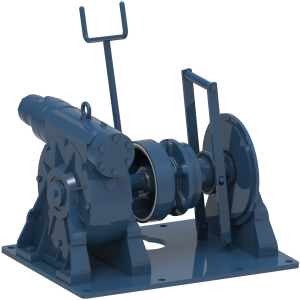
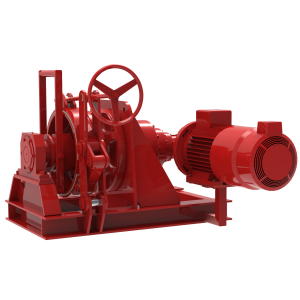
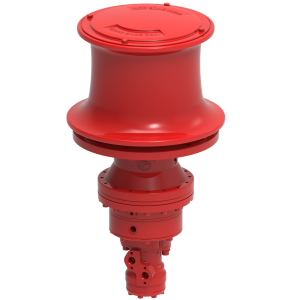
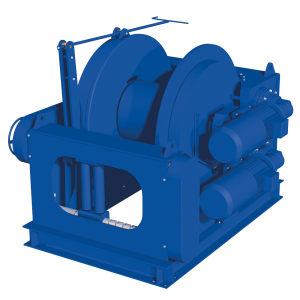
Many of our winches are rated for industrial and marine use, including the electric SB 300 E, the hydraulic capstan C 305 H for deck and mooring work, and the pneumatic SB 300 GP4 for wet and classified areas. The full programme is in our winch catalogue, and the wider case for hydraulic drives at sea is set out in our guides to offshore deck winches and mooring and constant tension. Tell us where the winch will live and we protect it to suit.
Frequently asked questions
Why do marine winches need special corrosion protection?
Because salt, humidity and spray attack steel constantly at sea, far faster than in a dry interior. Without the right materials, coatings and seals a winch corrodes quickly, which can weaken structure and seize moving parts and make the machine unsafe while it still looks usable.
What is a corrosivity category?
It is a classification of how aggressive an environment is, defined in ISO 12944 from C1 for dry interiors up to C5-M for marine and CX for offshore splash zones. The protection specified for a winch should match the category it will actually work in.
What protects a winch best at sea?
A combination: a marine grade paint system over a well prepared, often galvanized surface, stainless steel for the parts most exposed, proper sealing of bearings and electrics, and cathodic protection where parts are submerged. The right mix depends on the corrosivity category.
How do I keep a marine winch in good condition?
Wash it down with fresh water after exposure to rinse off salt, inspect regularly for chipped coating, weeping seals or rust, touch up damage promptly, check and replace anodes as they waste, and renew lubricants. Looked after this way a marine winch lasts for years.