Pneumatic or electric winch for washdown areas
In short
- In washdown areas, where equipment is hosed down regularly, water is a constant, and an air winch handles it naturally where an electric winch must be sealed against it.
- An air winch has no electrics to keep dry and shrugs off jets and water, while an electric winch needs a high IP enclosure and careful design to survive the same washdown.
- For frequent, heavy washdown the air winch is often the simpler, lower cost choice; for light washdown with a clean, dry supply a sealed electric winch can suit.
Washdown areas, in food and drink production, pharmaceuticals, and many wet industrial processes, put a particular demand on a winch: it is hosed down regularly, often with high pressure jets and sometimes hot water and cleaning chemicals, for hygiene or to clear residues. Water is therefore not an occasional hazard but a routine part of the environment, and a winch for washdown must survive it without fault. This is where the choice between an air and an electric winch comes into sharp focus, because the two handle water very differently, building on the comparison our note on winch families sets out.
What washdown demands
A washdown area is one where equipment is deliberately and regularly soaked, not merely exposed to occasional damp. The cleaning may use high pressure jets that drive water at every seam and joint, hot water that stresses seals, and chemicals that attack unsuitable materials, all applied often to keep the area clean or hygienic. A winch in this environment must keep water out of anything it would harm, survive the jets and the chemicals, and be easy to clean down itself. These are real demands that go beyond ordinary outdoor wet, and they shape which winch suits a washdown area and how it must be built.
Why air winches handle washdown
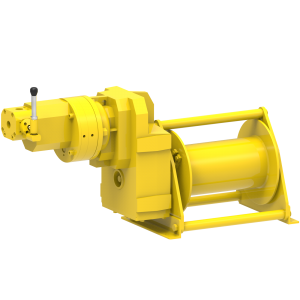
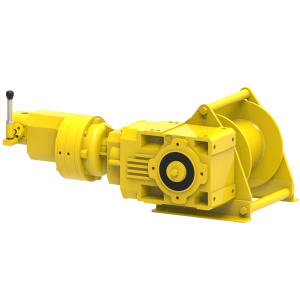
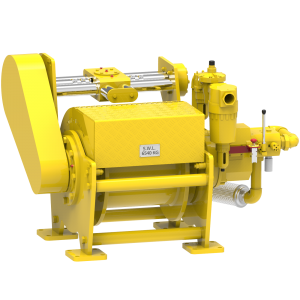
An air winch is naturally suited to washdown. It has no electrical motor or controls to keep dry, and its sealed air motor shrugs off water, so it tolerates the jets and the soaking that washdown involves with little special measure. It is simple and tolerant, with few places water can do harm, and it cleans down easily. This is the same tolerance of the wet that makes air winches good for marine and tank work, the subject of our note on air winches in shipyards, applied here to the deliberate, frequent wetting of a washdown area. For heavy, frequent washdown, the air winch is often the natural choice.
| In washdown | Air winch | Electric winch |
| Water on the winch | Shrugs it off | Needs sealed enclosure |
| High pressure jets | Tolerant | Needs high IP rating |
| Hygiene / clean down | Simple, washable | Sealed, careful design |
| Cost of protection | Low | Higher for high IP |
| Best where | Frequent heavy washdown | Light washdown, dry supply |
How an electric winch copes
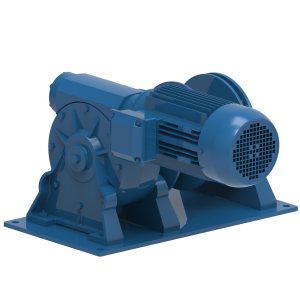
An electric winch can work in washdown, but it must be sealed against the water. Its motor and controls must be in an enclosure rated to keep out high pressure jets, a high IP rating, the subject of our note on IP rating and enclosure, and the cable entries and seals must maintain that protection under repeated washing. Built to a suitable IP rating with sound seals, an electric winch survives washdown, but the protection adds cost and must be maintained, because a perished seal or a poor cable entry lets water into the very parts it must protect. So an electric winch in washdown is a sealed machine, capable but demanding more careful design and upkeep than an air winch.
The cost of protection
The difference in how the two handle water shows in the cost of protecting them. An air winch needs little special protection for washdown, because it tolerates the water naturally, so it is often the lower cost option for a wet area. An electric winch needs a high IP enclosure, suitable materials and careful sealing, all of which add cost and must be kept in good order. So part of the choice is economic: for frequent, heavy washdown the air winch may be cheaper to buy and own as well as more tolerant, while for lighter washdown an electric winch's protection may be a reasonable cost for the advantages electric drive brings.
Hygiene and clean down
In food, drink and pharmaceutical washdown, hygiene adds a further demand: the winch must be cleanable, with no places for residue to lodge and materials that resist the cleaning chemicals. An air winch's simplicity helps, with few crevices and a tolerance of the cleaning, and both air and electric winches for hygienic areas can be built with suitable, often stainless, materials and smooth, washable surfaces, the subject of materials choice for clean industries. So the choice in a hygienic washdown weighs not only how each handles the water but how easily and thoroughly it can be cleaned, which is part of meeting the hygiene standards these areas require.
When the supply tips the choice
The available supply can also decide. Where compressed air is already piped to a washdown area, common in many processing plants, an air winch is easy to supply and naturally suited. Where only an electrical supply is available and air would have to be installed, a sealed electric winch may be the more practical choice despite the protection it needs. So as with the wider winch families, the supply on hand is part of the decision, weighed alongside how heavy the washdown is and whether hygiene materials are required, rather than the water tolerance alone deciding.
Choosing for the washdown
The honest approach is to weigh the washdown, the supply and the hygiene together. For frequent, heavy washdown, especially with air already available, the air winch is often the simpler, more tolerant and lower cost choice. For lighter washdown, or where only electrical supply exists and the advantages of electric drive are wanted, a sealed electric winch to a suitable IP rating can suit, provided its protection is maintained. Where hygiene matters, both can be built in suitable materials. We are glad to weigh these honestly for a washdown area, so the winch handles the water and the cleaning rather than struggling against them. A winch chosen well for washdown is one you can hose down at the end of a shift without a second thought, which is exactly what a wet, hygienic area needs, and getting that right from the start saves the corrosion and electrical trouble that catch out a winch never built for the water.
A washdown winch with us
We supply air and electric winches for washdown, matched to how wet, how frequent and how hygienic the area is. See the range in our winch catalogue, read our overview of pneumatic winches and how the IP rating protects an electric winch. Tell us the washdown, the supply and any hygiene requirement, and we will specify a winch that handles the water and the cleaning, air or electric, rather than struggling with them.
Frequently asked questions
Why is an air winch good for washdown?
Because it has no electrical motor or controls to keep dry, and its sealed air motor shrugs off the water and jets that washdown involves, with little special protection. It is simple, tolerant and easy to clean down, which makes it the natural choice for frequent, heavy washdown where water is a constant.
Can an electric winch be used in washdown?
Yes, if it is sealed against the water. Its motor and controls need an enclosure rated to keep out high pressure jets, a high IP rating, with sound seals and cable entries maintained under repeated washing. Built and kept this way it survives washdown, but the protection adds cost and must be maintained.
Which is cheaper for a washdown area?
Often the air winch, because it tolerates the water naturally and needs little special protection, while an electric winch needs a high IP enclosure and careful sealing that add cost. For frequent, heavy washdown the air winch is often cheaper to buy and own as well as more tolerant.
Does hygiene change the choice?
It adds a demand: in food, drink and pharmaceutical washdown the winch must be cleanable, with no crevices for residue and materials that resist the cleaning chemicals. Both air and electric winches can be built in suitable, often stainless, materials, so hygiene weighs how easily each cleans alongside how it handles the water.