Hydraulic tugger winches for heavy pulling
In short
- A hydraulic tugger is a compact pulling winch driven by a hydraulic motor, giving heavy pull for its size, fed from a power pack or a vessel's own hydraulics.
- It suits heavy mobile and offshore positioning, dragging, recovery and warping, where a strong, compact, tolerant pull is needed and hydraulics are available.
- Compared with an air tugger it gives more power and handles heavy, harsh duty better, while the air tugger leads on portability and non sparking safety, so each suits its own work.
A tugger is a compact pulling winch made to be installed where the work is rather than at a permanent station, and like winches generally it comes in different drives. The air tugger, light and non sparking, suits portable and hazardous pulling, the subject of our note on air tuggers. The hydraulic tugger is its more powerful relative: a compact pulling winch driven by hydraulics, giving heavy pull for its size and feeding from a power pack or a vessel's own hydraulics. Where a tugger's convenience must come with serious pulling power, especially offshore and on heavy mobile work, the hydraulic tugger is the tool, and understanding it is part of choosing the right tugger for the duty.
What a hydraulic tugger is
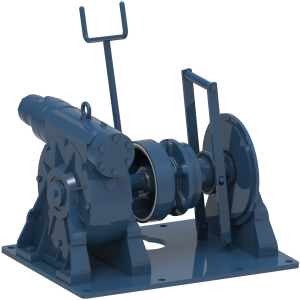
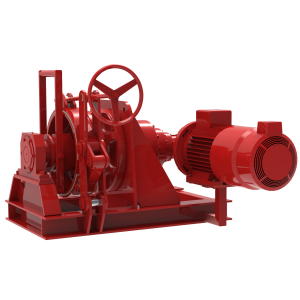
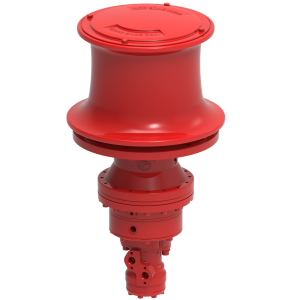
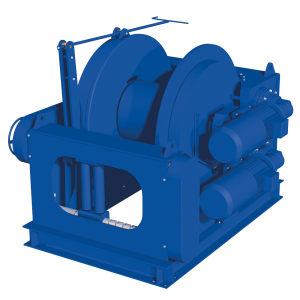
A hydraulic tugger is a tugger, a compact, mountable pulling winch, driven by a hydraulic motor rather than air or a fixed electric supply. It keeps the tugger's defining quality of being installed where the pull is needed, on a deck, a structure or a frame, but adds the power to weight of hydraulics, so it pulls hard for a compact unit. It is fed with oil under pressure from a power pack or from the hydraulics a vessel or machine already has, and it gives the strong, smooth, tolerant pull that hydraulics provide. So it combines the tugger's mountable convenience with serious hydraulic pulling power.
Power to weight for a compact pull
The great advantage of hydraulics on a tugger is power to weight. A hydraulic motor makes high torque for its size, so a hydraulic tugger can be compact and still pull hard, packing a heavy line pull into a unit small enough to mount where it is needed. This matters because a tugger is valued for going to the work, and a hydraulic one can do so while still delivering a heavy pull that an air tugger of similar size could not match. So where the duty needs both the tugger's mountable convenience and a strong pull, the hydraulic tugger's power to weight is what makes that combination possible.
| Feature | Hydraulic tugger | Air tugger |
| Power | High, for its size | Modest to moderate |
| Supply | Power pack or vessel hydraulics | Air line |
| Best pull | Heavy positioning, offshore | Lighter, portable pulls |
| Stall and harsh duty | Excellent | Good |
| Where it suits | Heavy mobile or marine pulling | Hazardous, light, portable |
Fed from a power pack or vessel
A hydraulic tugger needs a hydraulic supply, and that is natural where one exists. On a vessel or a machine with its own hydraulics, the tugger can be fed from that system, as our note on winches on mobile plant describes, while elsewhere a power pack provides the oil flow and pressure, the subject of our note on power pack sizing. So the hydraulic tugger fits naturally where hydraulics are already available, such as offshore and on hydraulic plant, and needs a power pack where they are not. This is the trade against the air tugger, which needs only an air line that is often already there.
Heavy, harsh and offshore duty
The hydraulic tugger comes into its own on heavy, harsh and offshore work. It positions and drags heavy loads on a deck or a structure, warps and recovers, and handles the rough, wet, demanding duty of marine and offshore pulling, where its power, its tolerance of stalling and the wet, and its compact mountable form all earn their place. Offshore especially, where hydraulics are common and the pulls are heavy, the hydraulic tugger is a natural fit, giving a strong, mountable pull that survives the conditions. So for serious mobile and marine positioning, the hydraulic tugger is often the right tool.
Holding the load
Like any hydraulic winch, a tugger holds its load with a failsafe brake and load holding valves, so the load is secure when the tugger stops and if a hose fails, the subject of our note on the load-holding valves. This matters because a tugger positioning a heavy load must hold it securely where it is set, and on a moving deck or a slope a load that ran back would be dangerous. So the hydraulic tugger holds its load with the same engineered safety as a larger hydraulic winch, which is part of what makes it suitable for the heavy, demanding positioning it is used for, rather than only a strong pull with no secure hold.
Hydraulic or air tugger
Choosing between a hydraulic and an air tugger follows the duty and the supply. The hydraulic tugger gives more power and handles heavy, harsh duty better, and suits work where hydraulics are available, such as offshore. The air tugger is lighter, simpler and non sparking, and suits portable, lighter and hazardous pulling where an air line is to hand, the subject of our note on air tuggers. So neither is better in the abstract: the hydraulic tugger for heavy, mobile, marine pulling with hydraulics available, the air tugger for light, portable, hazardous pulling on air. The duty and the supply decide.
Matching the tugger to the work
The honest way to choose a hydraulic tugger is from the pull, the rope, the duty and the hydraulic supply, plus where and how it will be mounted. A heavier, more frequent pull wants a larger tugger and more flow; the mounting and anchor points must be rated for the pull, because a mountable winch is only as safe as what it is fixed to. And the hydraulic supply, power pack or host system, must match the tugger so it performs. We size and specify a hydraulic tugger from the real work, so it gives the heavy, mountable pull the job needs and holds the load safely, matched to the hydraulics that drive it. As with any tugger, the rope and the fairlead are chosen for the duty too, because a mountable pulling winch is only as good as the rope it pulls with and the lead that guides it onto the drum.
A hydraulic tugger with us
We supply hydraulic tuggers for heavy mobile and offshore pulling, sized and mounted to the work and matched to the hydraulic supply. See the range in our winch catalogue, read our overview of hydraulic winches and how a tugger compares with an air tugger. Tell us the pull, the rope, where it will mount and the hydraulics you have, and we will specify a hydraulic tugger that pulls hard for its size and holds the load safely.
Frequently asked questions
What is a hydraulic tugger winch?
A compact, mountable pulling winch driven by a hydraulic motor, giving heavy pull for its size, fed from a power pack or a vessel's own hydraulics. It keeps the tugger's quality of being installed where the pull is needed while adding the power to weight of hydraulic drive.
How does a hydraulic tugger differ from an air tugger?
The hydraulic tugger gives more power and handles heavy, harsh duty better, suiting offshore and heavy mobile work where hydraulics are available. The air tugger is lighter, simpler and non sparking, suiting portable, lighter and hazardous pulling where an air line is to hand. The duty and the supply decide which fits.
What powers a hydraulic tugger?
A hydraulic supply, either a power pack providing oil flow and pressure, or the hydraulics a vessel or machine already has. So it fits naturally where hydraulics are available, such as offshore and on hydraulic plant, and needs a power pack where they are not, which is the trade against the air tugger's simple air line.
Does a hydraulic tugger hold the load safely?
Yes. Like any hydraulic winch it holds the load with a failsafe brake and load holding valves, so the load is secure when the tugger stops and if a hose fails. This matters because a tugger positioning a heavy load on a deck or slope must hold it securely where it is set.